
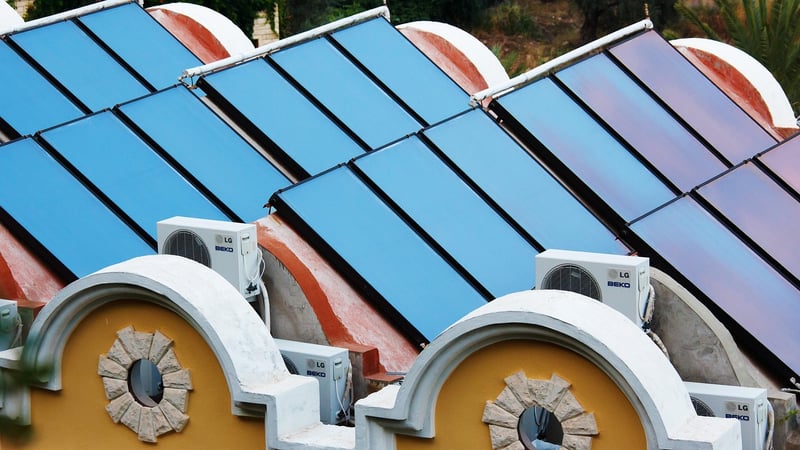
The Rise of Environmentally Conscious and Energy-Efficient Systems
In today's world, where environmental concerns are at the forefront of global discussions, the integration of energy-efficient systems has become increasingly crucial. By adopting environmentally conscious practices and technologies, individuals and organizations can significantly reduce their carbon footprint and contribute to a more sustainable future.
Benefits of Energy-Efficient Systems
Energy-efficient systems offer a multitude of benefits, both for the environment and for users:
- Reduced energy consumption leading to lower utility bills
- Decreased greenhouse gas emissions
- Conservation of natural resources
- Enhanced indoor air quality
- Improved comfort and productivity
Key Features of Environmentally Conscious Systems
Environmentally conscious systems are designed to minimize negative impacts on the environment. Some key features include:
- Use of renewable energy sources such as solar or wind power
- Smart technologies for optimized energy management
- Water conservation mechanisms
- Recycling and waste reduction initiatives
- LEED (Leadership in Energy and Environmental Design) certification
Examples of Energy-Efficient Systems
There are various energy-efficient systems that can be implemented in homes, offices, and industrial settings:
- Solar panels for generating electricity
- LED lighting for reduced energy consumption
- Energy-efficient HVAC (Heating, Ventilation, and Air Conditioning) systems
- Smart thermostats for temperature regulation
- Insulation and sealing for improved energy efficiency
Conclusion
As we move towards a more sustainable future, the adoption of environmentally conscious and energy-efficient systems is paramount. By making conscious choices in our daily lives and embracing innovative technologies, we can help protect the planet for future generations.
Let's commit to building a greener and more energy-efficient world!


